
Repair instructions
What Does Resetting the PCM Do?
Summary
Resetting the Powertrain Control Module (PCM) restores your vehicle’s computer to its factory settings. This procedure is often recommended to clear diagnostic trouble codes (DTCs), address ignition or starting issues, or after replacing certain components. There are two primary methods to reset the PCM: disconnecting the car battery or pulling the PCM fuse. Below, we’ll dive into the details of why, when, and how to reset your PCM, as well as what to expect after the process.
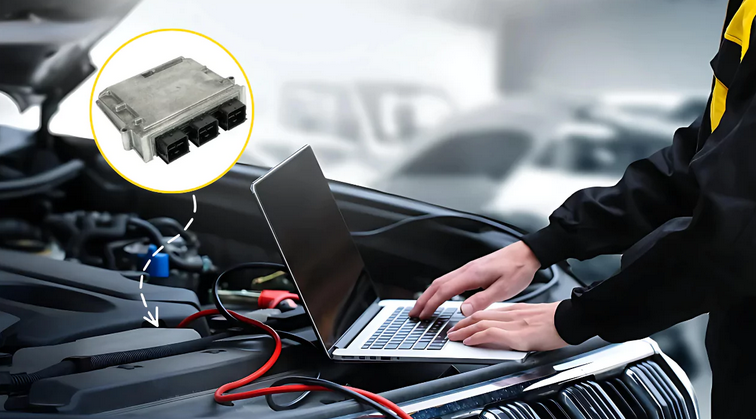
Reasons to Reset Your PCM
Resetting the PCM can be necessary in several scenarios. Here’s a breakdown of the most common reasons:
1. Clearing a Fault Code
Resetting the PCM is often used to clear diagnostic trouble codes (DTCs) and turn off the check engine light. However, this doesn’t always fix the underlying issue. If the problem persists, the check engine light will likely return after a few drive cycles. A drive cycle typically involves starting the engine cold, driving until the vehicle reaches operating temperature, and then shutting it off. Resetting the PCM after repairing the issue can confirm whether the problem has been resolved.
2. After Component Replacement
When replacing certain components, such as oxygen sensors or the mass airflow sensor, resetting the PCM allows the system to relearn and adapt to the new part. This ensures optimal performance and proper communication between the PCM and the new component.
3. Solving Starting Issues
In some cases, resetting the PCM can resolve hard-starting or no-start conditions. However, this is rarely a permanent fix if there’s an underlying mechanical or electrical issue. A professional diagnosis is recommended to identify the root cause.
4. After Battery Replacement
Replacing a dead or faulty battery often triggers a PCM reset automatically. However, if the PCM doesn’t adapt to the new battery, it may cause the check engine light to illuminate. A manual PCM reset can resolve this.
Is It Safe to Reset the PCM?
Yes, resetting the PCM is generally safe and won’t harm your vehicle. However, keep in mind that the PCM will lose its adaptive memory, including learned driving habits and fuel trims. This means the vehicle may run slightly differently until the PCM relearns these parameters. It’s best to reset the PCM only when necessary and avoid doing it unnecessarily.
How to Reset the PCM
There are two common methods to reset the PCM, but the exact steps may vary depending on your vehicle’s make, model, and year. Always consult your owner’s manual or a professional if you’re unsure.
Method 1: Disconnect the Car Battery
- Open the hood and locate the battery.
- Remove the negative battery cable (usually black) using a wrench.
- Wait at least 5 minutes to ensure the PCM’s capacitors discharge fully.
- Turn on the headlights to drain any residual power.
- Reconnect the negative battery cable.
Method 2: Pull the PCM Fuse
- Locate the fuse box (refer to your owner’s manual for its location).
- Identify the PCM fuse using the fuse box diagram.
- Remove the PCM fuse using a fuse puller or pliers.
- Wait 10–20 seconds, then reinsert the fuse.
Note: If you’re not comfortable performing these steps, it’s best to consult a professional mechanic.
How to Confirm a Successful PCM Reset
After resetting the PCM, you can verify its success in a few ways:
- If you reset the PCM to clear a check engine light, the light should stay off after restarting the vehicle (unless the underlying issue persists).
- Check if your radio presets or other memory-dependent settings have been erased. If so, the reset was successful.
Does Resetting the PCM Affect Emission Testing?
Yes, resetting the PCM can affect emission testing readiness monitors. These monitors track the performance of your vehicle’s emissions systems. Resetting the PCM or disconnecting the battery clears these monitors, which may cause your vehicle to fail an emissions test. To reinitialize the monitors, you’ll need to complete a specific drive cycle. Check your owner’s manual for the recommended drive cycle procedure.
How the PCM Works
The PCM is essentially the brain of your vehicle’s powertrain. It receives data from various sensors (e.g., oxygen sensors, throttle position sensors) and uses this information to control critical functions, such as fuel injection, ignition timing, and transmission shifting. By continuously monitoring and adjusting these systems, the PCM ensures optimal performance, fuel efficiency, and emissions compliance.
Why the PCM Is Important
The PCM plays a vital role in your vehicle’s operation. A malfunctioning PCM can lead to poor performance, reduced fuel efficiency, and even drivability issues. While resetting the PCM can resolve some problems, it’s not a cure-all solution. If you suspect a PCM-related issue, it’s best to have a professional diagnose and repair the problem to avoid further complications.
Final Thoughts
Resetting the PCM is a useful procedure for clearing codes, adapting to new components, or addressing minor issues. However, it’s not a substitute for proper diagnostics and repairs. If you’re unsure about resetting the PCM or dealing with persistent issues, consult a trusted mechanic to ensure your vehicle stays in top condition.
