
Repair instructions
How to Save on Car Maintenance? Some Tips and Things to Consider
As a car owner, you may not always think about the long-term costs associated with vehicle maintenance, but those expenses can quickly add up. With fuel prices constantly fluctuating, it’s essential to be proactive with your vehicle’s upkeep to avoid unnecessary repairs and keep maintenance costs low. In this article, I’ll share expert tips to help you minimize your annual car maintenance expenses.
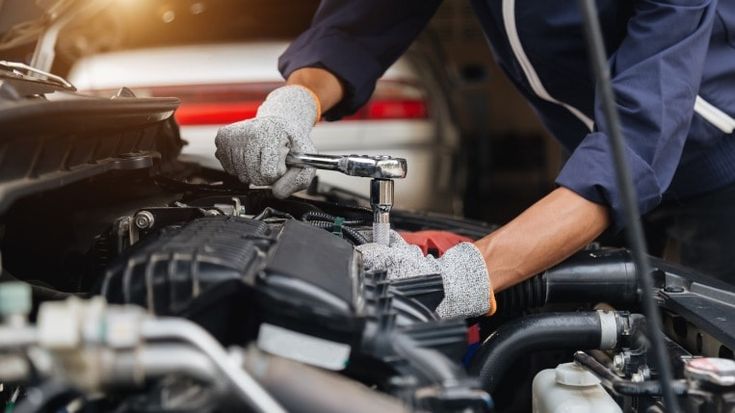
How Much Does Car Maintenance Really Cost?
Car maintenance can be a significant part of your monthly expenses. According to the American Automobile Association (AAA), the cost of maintaining and repairing vehicles increased by 4% in 2020. That’s roughly $0.09 per mile driven. For example, if you’re driving 1,200 miles a month, expect to pay around $1,080 annually for routine repairs and maintenance. When you factor in additional costs like depreciation, insurance, registration, and taxes, the overall cost to own and operate a new car in 2020 reached approximately $9,561. Some vehicles are more expensive to maintain than others, so understanding your car’s specific needs is crucial to managing your budget effectively.
Vehicle Maintenance Costs Breakdown:
| Vehicle Type | Cost Per Mile |
|---|---|
| Small Sedan | 50.10¢ |
| Medium Sedan | 58.23¢ |
| Large Sedan | 74.55¢ |
| Small SUV | 55.75¢ |
| Medium SUV | 66.91¢ |
| Minivan | 67.34¢ |
| Pickup | 75.39¢ |
| Hybrid | 54.32¢ |
| Electric | 60.79¢ |
Smaller vehicles typically have lower overall maintenance costs than larger ones. For example, sedans tend to be more budget-friendly than pickups due to reduced maintenance needs. It’s important to understand how much your vehicle costs to maintain so you can plan your budget accordingly.
Commonly Replaced Parts During Regular Maintenance
Some parts of your car wear out more frequently than others. Windshield wipers, batteries, brake pads, and tires are typically the first to need replacement. Regular inspections and timely repairs are essential for maintaining your vehicle’s safety and performance.
- Windshield Wipers
Your wipers are crucial for maintaining visibility in rainy or snowy weather. If they begin to streak, chatter, or leave spots, it’s time for a replacement. Wipers should be changed every 6 to 12 months, or sooner if you notice problems. Aftermarket wipers typically range from $40 to $100. - Battery
A weak or dying battery can cause starting problems and leave you stranded. It’s generally recommended to replace your car’s battery every 3 to 6 years, depending on the climate and your driving habits. Be sure to inspect your battery during every oil change to ensure the connections are clean and secure. A new battery typically costs between $70 and $500, depending on the type and brand. - Brake Pads
Brake pads should be replaced every 20,000 to 65,000 miles, depending on your driving style. City drivers, who use their brakes more often, may need to replace them sooner. Signs of worn-out brake pads include screeching sounds and a warning light. Brake pads can cost anywhere from $1 to $940, depending on the material and manufacturer. - Tires
Regular tire rotations every 5,000 to 8,000 miles are essential to ensure even tread wear and optimal performance. Tires should be replaced every 6 years to maintain reliability, even if they still appear functional. New tires generally cost around $140 per tire, depending on the brand and model.
When Should You Service Your Car?
To keep your vehicle running smoothly, most experts recommend servicing your car every 12,000 miles. However, this interval may vary based on your car’s make and model. Always refer to your owner’s manual for the manufacturer’s recommended service schedule. Lower-mileage vehicles require less frequent maintenance, but as your car accumulates more miles, more frequent visits to your mechanic will be necessary.
Conclusion:
Maintaining your vehicle doesn’t have to be a financial burden. By staying on top of routine maintenance and addressing issues early, you can extend your car’s lifespan and avoid costly repairs down the road. Keep an eye on essential components like your wipers, battery, brake pads, and tires, and don’t forget to follow your manufacturer’s maintenance schedule for the best results. Your car will thank you with years of reliable performance.
